
 Italiano
 Deutsch
Discover the Valpolicella Wine Route, wineries, Amarone, Ripasso, Recioto and tasting experiences near Fumane
Valpolicella is one of Italy's best-known wine regions, where growing vines has accompanied local community life for centuries.
Between Fumane, Marano, Negrar, San Pietro in Cariano and Sant'Ambrogio stretch vineyards, farms and wineries preserving Veronese winemaking traditions.
Here originate famous wines such as Valpolicella Classico, Ripasso, Amarone della Valpolicella and Recioto, different expressions of local grapes and winemaking techniques.
Exploring the Valpolicella Wine Route introduces this culture through landscapes, winery visits and tastings that reveal producers' work directly.
For Corte Lavarini guests in Fumane, these experiences are often close to the residence.
The Wine Route: a region to explore
The Valpolicella Wine Route is not one road followed from beginning to end. It is a network of itineraries and operators promoting wineries, local products and cultural heritage.
The Strada del Vino Valpolicella association offers nine themed itineraries across the classical area and the valleys of wider Valpolicella.
One particularly interesting route for Corte Lavarini guests crosses Fumane, San Pietro in Cariano and Marano; others head towards Sant'Ambrogio, Negrar and the Adige valley.
Along these roads are family businesses, historic cellars and larger producers, each with different characteristics and experiences.
A visit can focus on one winery or two tastings in a day, allowing time to meet producers and understand their work. Not all wineries accept walk-ins: many experiences require advance booking.
Further information: Strada del Vino Valpolicella – official itineraries
Valpolicella Classica: historic wine country
Valpolicella Classica comprises the historic wine-producing areas in the western part of the appellation: Fumane, Marano di Valpolicella, Negrar di Valpolicella, San Pietro in Cariano and Sant'Ambrogio di Valpolicella.
The valleys' climate and geology influence viticulture. Slopes alternate terraced vineyards, limestone soils and other compositions; sunlight exposure and altitude create different conditions even in neighbouring plots.
The term Classico on certain labels identifies grapes from this historic area under production specifications. It does not automatically mean a superior wine, but a specific geographical origin.
Visiting Classica wineries reveals how place, grape characteristics and production decisions contribute to each wine's identity.
Valpolicella grapes: Corvina, Corvinone and Rondinella
Valpolicella reds mainly blend different grape varieties. Major ones are Corvina Veronese, Corvinone and Rondinella, sometimes accompanied by other permitted varieties.
Corvina contributes red-fruit aromas, especially cherry, and elegance. Corvinone, a distinct variety, can provide structure and interesting aromatic qualities.
Rondinella is also used for its suitability for drying.
The result depends on more than varieties: soil, weather, harvest and cellar techniques matter too. During a guided visit, producers explain grape selection and the qualities they seek in different wines.
Further information: Veneto Region – official DOC and DOCG wine specifications
Valpolicella Classico and Superiore: freshness and character
Valpolicella is generally a fruity, fresh and pleasantly drinkable red. Young versions often show cherry, red berries and light floral nuances.
It is versatile with pasta and other first courses, cured meats, cheeses and many Veronese dishes.
Valpolicella Superiore follows specific production requirements, including minimum maturation. The result is generally more structured, with potentially greater aromatic complexity.
Comparing young Valpolicella Classico with Superiore reveals how wines change from similar grapes. It is a simple, interesting introduction to local production.
Valpolicella Ripasso: a technique adding complexity
Valpolicella Ripasso DOC takes its name from a winemaking technique. Valpolicella wine contacts fermented grape skins from Amarone or Recioto production, initiating another fermentation.
This can enrich structure, aromatic intensity and complexity. Ripasso may show ripe fruit, spices and lightly developed notes, varying with producers' choices.
Tasting it alongside traditional Valpolicella demonstrates the effects of different techniques. Pair it with flavourful dishes, roasts, meat and aged cheeses.
Its personality remains distinct from Amarone: Ripasso is not merely a lighter Amarone, but a wine with its own specifications and production identity.
Amarone della Valpolicella: a great wine from dried grapes
Amarone della Valpolicella DOCG is the region's most famous wine and one of Italy's internationally best-known reds.
Its distinctive process is drying grapes selected at harvest and left for an extended period in suitable rooms called fruttai.
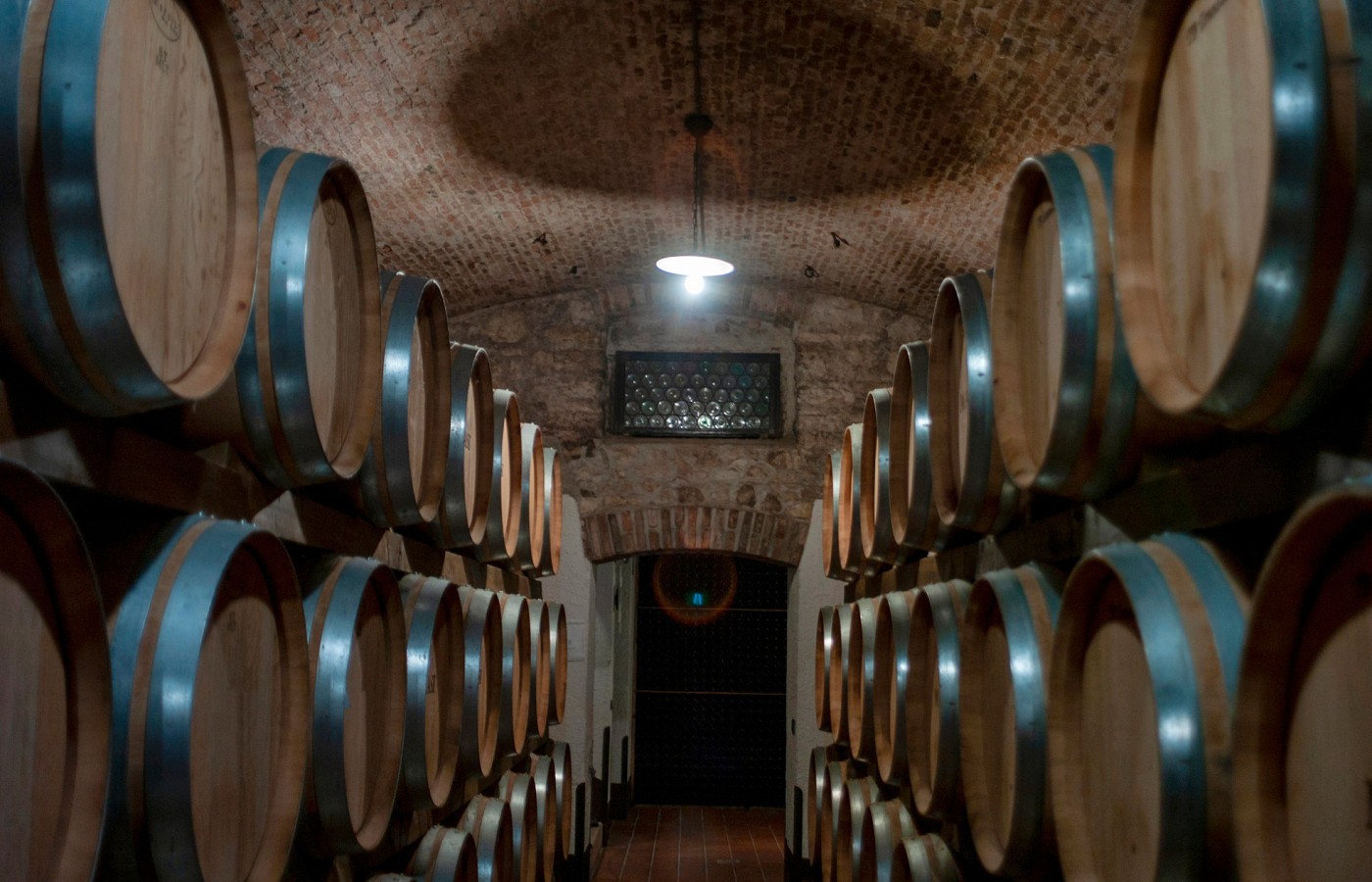
During drying, berries lose water, concentrating sugars, aromatic substances and other components. Grapes are then vinified, followed by maturation contributing structure and complexity.
Amarone is generally dry, intense and relatively high in alcohol, developing ripe-fruit, spice, cocoa and balsamic notes according to vintage and ageing.
Interestingly, concentrated grapes do not necessarily produce sweet wine: fermentation converts much of their sugar into alcohol.
Seeing drying rooms and learning the process during a cellar visit explains a fundamental element of Veronese winemaking.
Further information: Consortium for the Protection of Valpolicella Wines
Recioto della Valpolicella: the traditional sweet wine
Recioto della Valpolicella DOCG shares Amarone's dried grapes but has a very different character.
Fermentation is managed to retain significant residual sugar, producing a sweet red. Recioto can show cherries preserved in spirits, jam, ripe fruit and spice aromas.
Traditionally paired with desserts, dry pastries and some chocolate preparations, it can also interestingly accompany certain cheeses.
Its history is closely linked to Valpolicella wine culture and predates Amarone's modern spread. Tasting both shows how similar grapes and initial processes can yield very different wines.
What happens at a winery tasting?
Valpolicella tastings vary by winery and programme. An introductory experience generally explains production and offers guided sampling of several wines.
More detailed visits may include vineyard walks, winemaking and maturation areas and, when included, drying rooms.
Tastings explain characteristics, vintages, production methods and food pairings. Learn to recognise colour, aromas and flavours without needing technical knowledge.
Some wineries pair tastings with local produce; others offer private experiences or specific vintages. Choose according to your time and desired depth.
For a first visit, three or four different wines can already provide an interesting overview of Valpolicella production.
Historic wineries and family businesses
One fascinating aspect of Valpolicella wine tourism is producer variety. Alongside historic estates, some associated for generations with important Veronese families, are smaller wineries where visitors meet producers directly.
Each interprets the region through different agricultural and winemaking choices. Some emphasise young wines and individual vineyards, others Amarone, reserves and long ageing.
Farms may also use different cultivation methods, including organic practices or approaches reducing environmental impact.
There is no single tasting experience: comparing wineries makes visits interesting. Consult official offers directly and check availability, duration, tour languages and booking conditions.
Further information: Strada del Vino Valpolicella – wineries and experiences
Valpolicella flavours: pairing local wines
Veronese cuisine offers many suitable dishes. A representative example is Amarone risotto, whose colour and aroma come partly from the wine.
Young Valpolicella suits cured meats, first courses, white meat and less richly structured dishes.
Ripasso and Superiore pair with roasts, braised meats, aged cheeses and flavourful dishes. Amarone often accompanies substantial meat dishes, game and very mature cheeses.
Sweet Recioto traditionally accompanies desserts and pastries. Tastings with local produce show the wines' qualities and gastronomic connections.
When to visit Valpolicella wineries
Wineries can be visited all year, with a different seasonal experience.
In spring, vines restart their growing cycle and temperatures suit vineyard walks.
In summer, longer days allow tastings and village visits, although avoid the hottest hours.
In autumn, harvest and vineyard colours make the landscape particularly interesting. It is also a busy working period, when estates may limit visits.
In winter, activity concentrates in the cellars. It suits experiences focused on production, maturation and tasting.
Book in every season, especially for foreign-language guided visits.
Planning a tasting from Corte Lavarini
Corte Lavarini is in Fumane, at the heart of Valpolicella Classica, near many wine estates.
Choose your winery ahead and check available experiences. For production insights, favour vineyard and drying-room explanations; enthusiasts may choose vintages, reserves and different interpretations of the appellation.
For several tastings, arrange transport responsibly: choose a non-drinking driver or a transport service.
Nearby wineries let you spend time on the experience without long journeys.
Valpolicella: a tradition discovered through wine
A winery visit reveals work behind a bottle: grape selection, vineyard care, drying, fermentation and the time needed for maturation.
From young Valpolicella to Ripasso, Amarone and Recioto, each wine tells part of the area's history and expertise.
During a Corte Lavarini stay, tasting is a direct way to discover Valpolicella culture and meet those preserving its winemaking tradition.