
 Italiano
 Deutsch
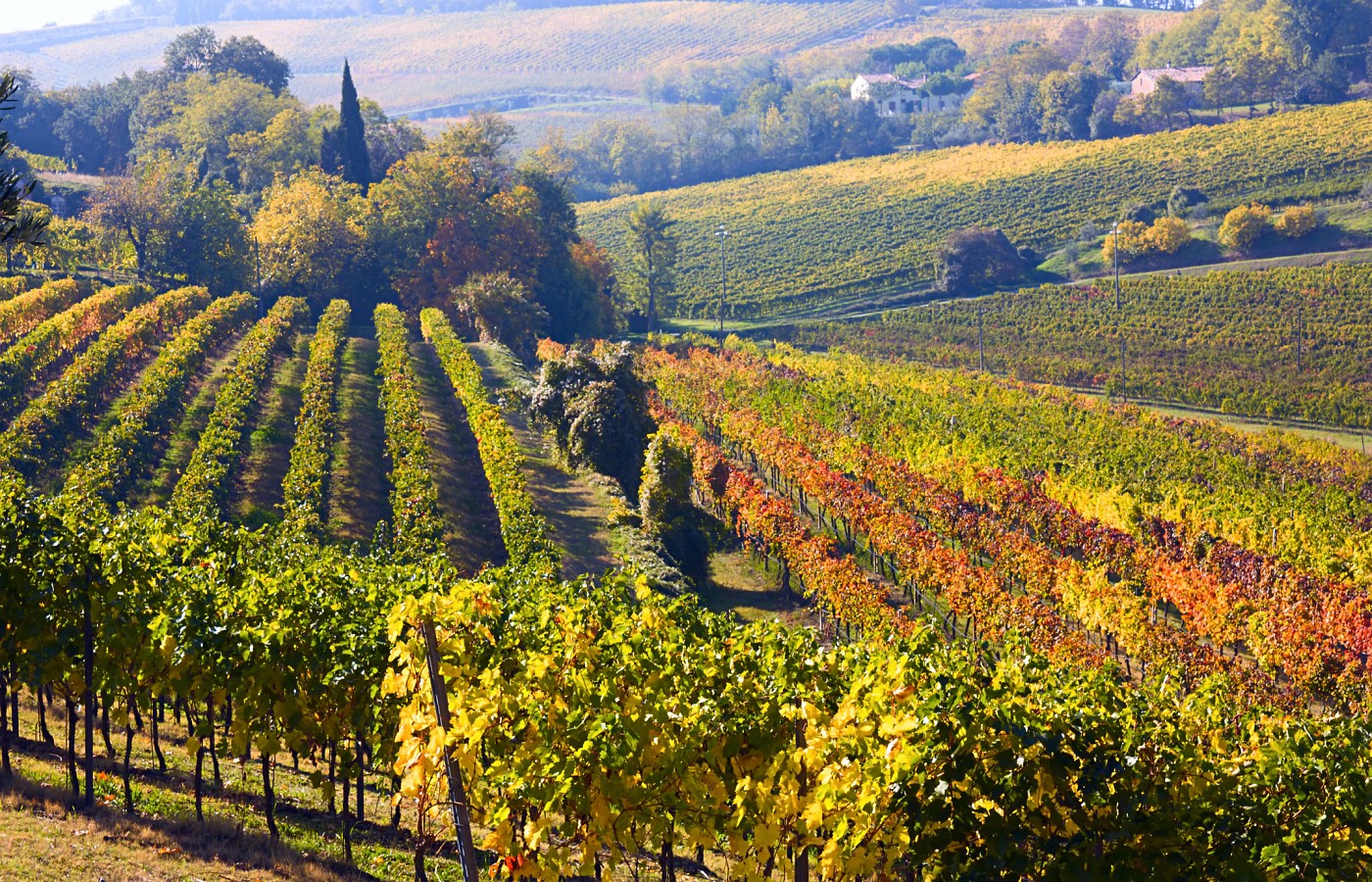
Discover Valpolicella's historic villas, from Villa Della Torre in Fumane to Palladian residences and estates connected to the history of wine
Valpolicella is known for its wines, but among the vineyards you also find Renaissance villas, aristocratic residences and monumental gardens. From the sixteenth century, prominent Veronese families built country houses that served both as holiday retreats and centres of agricultural estates, where art and culture coexisted with growing vines and olive trees. One of the most original examples is Villa Della Torre in Fumane, a short distance from Corte Lavarini.
Valpolicella's landscape of vineyards and historic houses
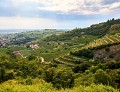
Valpolicella Classica stretches between the Veronese plain and the first Lessinia foothills. The valleys of Fumane, Marano and Negrar alternate hills, woods and vineyards, often on slopes supported by dry-stone walls. Prun stone characterises walls, staircases and traditional houses. The hilltops hold churches, small settlements and aristocratic residences with gardens, courtyards and farm buildings. Visiting them reveals the centuries-old link between architecture and landscape. Terraces supported by marogne walls and local stone architecture make the landscape instantly recognisable. The villas often occupy carefully chosen positions, showing how residence, agriculture and garden formed a single system.
Villa Della Torre in Fumane: a Renaissance gem
In central Fumane stands Villa Della Torre, transformed in the sixteenth century by the noble family of the same name. Its history is linked to the marriage of Giulio Della Torre and Anna Maffei in 1504. Giulio and his son Francesco promoted a project influenced by humanist culture. The complex recalls the architecture of Giulio Romano and Michele Sanmicheli, although scholars have debated the attribution of individual parts. Inspired by the Roman domus, its courtyards, porticoes, gardens and water features create a route where art and nature meet. The estate's sixteenth-century transformation reflects the family's humanist tastes: the design draws on the Roman house, with courts, porticoes, gardens and water features. Attributions to great Renaissance masters should be treated cautiously, as the contributions of individual architects remain under study.
The peristyle and grotesque-mask fireplaces
The villa's heart is the peristyle, a large porticoed courtyard connecting the rooms according to a classically inspired model. Among its most original works are four monumental grotesque-mask fireplaces: large carved figures with fantastical expressions, attributed to Giovan Battista Scultori, an artist close to Giulio Romano. They are a striking example of sixteenth-century Mannerist taste, transforming functional elements into architectural sculptures. The peristyle also served conversation and guests' cultural life. With their large, almost theatrical carved figures, the fireplaces express Mannerist imagination particularly well, making the villa immediately distinguishable from other residences in the region.
The Tempietto, gardens and water features
The Tempietto is an octagonal chapel associated with Michele Sanmicheli, also mentioned by Giorgio Vasari in his Lives. The complex includes a monumental fishpond, an artificial grotto and nymphaea, where water plays a decorative and symbolic role. Together with the peristyle, these elements make Villa Della Torre one of the Veneto Renaissance's most distinctive residences. The Tempietto's central octagonal plan reflects the Renaissance pursuit of geometric proportions. The nymphaea, artificial grotto and fishpond create a sequence in which water has not only a practical role, but also a theatrical and symbolic one.
How to visit Villa Della Torre
The villa offers guided tours that may include the peristyle, fireplaces, Tempietto and monumental rooms, as well as vineyard experiences. Check programmes and access arrangements and book through the property's website. For Corte Lavarini guests it is one of the nearest cultural visits, being in the same village. Book ahead and check which spaces the proposed tour includes. Its location in Fumane makes the villa one of the most readily accessible cultural opportunities for guests at Corte Lavarini.
Further information: Villa Della Torre – official website
Villa Serego, known as Santa Sofia: Palladio's architecture
In Pedemonte, within San Pietro in Cariano, stands Villa Serego, or Villa Santa Sofia. Andrea Palladio designed it around 1565 for Marcantonio Serego. Large Ionic columns of roughly dressed limestone blocks give it a character both rustic and monumental. The project remained unfinished, but is an original example of Palladian invention. The villa belongs to the UNESCO site City of Vicenza and the Palladian Villas of the Veneto. It is privately owned and not normally open to visitors. The rustic columns are among the design's best-known features. Unlike the more regular façades of other Palladian villas, the architect conceived a composition organised around an open space. Despite being incomplete, the work has international significance.
Further information: Villa Serego – UNESCO
The Serego Alighieri estates: the connection with Dante
In Gargagnago, within Sant'Ambrogio di Valpolicella, lies an estate connected to the family of Dante Alighieri. In 1353 the poet's son Pietro bought land at Casal dei Ronchi; through marriage into the Serego family, his descendants later took the surname Serego Alighieri. The Possessioni Serego Alighieri preserve historic buildings, courtyards, gardens and vineyards, bearing witness to over six centuries of family and agricultural history. The estate offers organised experiences among vineyards and historic cellars, while the private residence is not normally open to the public. Its buildings reveal transformations from different periods. Tours may include agricultural spaces, gardens and historic cellars, while the private residential area is not normally accessible: distinguish estate visits from admission to living quarters.
Further information: Possessioni Serego Alighieri – Masi
Villa Mosconi Bertani: eighteenth-century elegance
In Novare, in the locality of Arbizzano di Negrar, stands Villa Mosconi Bertani, an elegant eighteenth-century complex with decorated rooms, a historic garden and vineyards. Associated with the Mosconi and Bertani families, it tells of Veronese aristocratic culture and local viticulture. Its monumental spaces served formal occasions and gatherings, but were also part of an important agricultural estate. Today, visits and cultural and wine experiences follow the property's arrangements. The complex reveals a different era from the Renaissance villas: decorated interiors, a historic garden and spaces linked to eighteenth-century aristocratic social and musical life. The property offers visits according to schedules and conditions that should be checked.
Further information: Villa Mosconi – official website
Venetian villas: when the countryside became a place of culture
Valpolicella's residences belong to the tradition of Venetian villas, widespread from the Renaissance. Noble families invested in the countryside, building houses surrounded by farm courtyards, cellars, gardens and chapels. They were both productive centres and places of culture. Viticulture has helped preserve this relationship between historic buildings and their surroundings. The Venetian villa model combined cultural interests, estate management and social status. Courtyards, barchesse farm wings, cellars and chapels were integral to estate life rather than accessories. In Valpolicella, widespread viticulture has kept this connection particularly visible.
When to visit Valpolicella's vineyards and villas
In spring, green vineyards accompany cultural visits; in summer, favour the cooler hours. In autumn, leaves turn yellow and red and the harvest brings life to the landscape; in winter, bare vines reveal terraces and hillside profiles. Always check villa openings before setting out. The season changes the experience: spring shows vegetation returning, summer visits require care during hot hours, autumn brings vineyard colours and winter makes the shapes of the terraces clearer.
Planning a visit to the historic villas
The residences lie around Fumane, San Pietro in Cariano, Sant'Ambrogio and Negrar. Travel by car and choose two or three places per day. Villa Della Torre offers visits by reservation; Villa Serego is private and not normally open; organised experiences are available at the Possessioni Serego Alighieri and Villa Mosconi Bertani. From Corte Lavarini, the natural first stop is Villa Della Torre in Fumane. The properties are spread across Fumane, San Pietro in Cariano, Sant'Ambrogio and Negrar. Choosing two or three stops and booking available visits is more enjoyable than trying to see everything in one day.
Valpolicella: heritage to discover beyond wine
Villa Della Torre preserves Renaissance originality; Villa Serego, Palladio's work; Serego Alighieri, a history linked to Dante's family; and Villa Mosconi Bertani, eighteenth-century elegance. During a stay at Corte Lavarini, these houses reveal a Valpolicella of art, families and historic landscapes as well as wine.