
 Italiano
 Deutsch
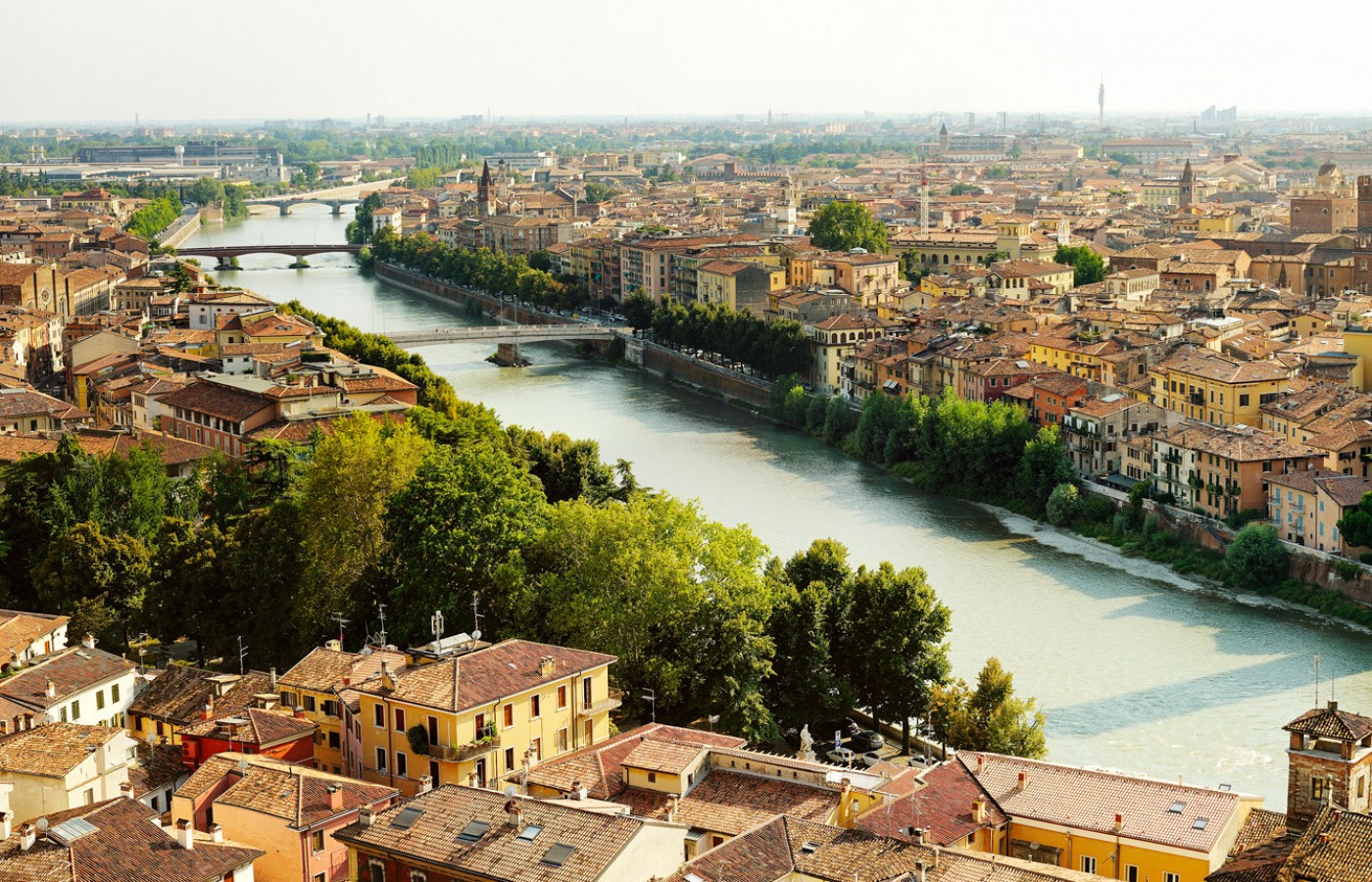
A walking itinerary through Verona: Arena, Castelvecchio, historic squares, churches and Adige views, with tips for a day trip from Corte Lavarini
Verona surprises with its rich history, elegant squares and varied monuments. Its historic centre along the Adige preserves Roman, medieval and Renaissance heritage and has been a UNESCO World Heritage Site since 2000. Famous for Romeo and Juliet and Arena opera, Verona also offers hidden courtyards, Roman gates and Scaliger palaces. Around half an hour from Corte Lavarini, it is ideal for a day of history, art and walks.
Piazza Bra and the Verona Arena
Start at Piazza Bra, dominated by the Verona Arena, one of the world's best-preserved Roman amphitheatres. Built in the first century AD for gladiatorial contests and public shows, its elliptical structure and seating demonstrate Roman engineering. Today it is famous for the opera festival inaugurated in 1913 with Verdi's Aida. The interior can be visited when staging permits. Also see Palazzo della Gran Guardia, Palazzo Barbieri and the Liston, a broad paved promenade with cafés and restaurants. This square naturally introduces first-time visitors: Gran Guardia, neoclassical Palazzo Barbieri, the town hall, and the Liston represent different eras. The opera festival held since 1913 helped make the amphitheatre world-famous.
Further information: Verona Arena – Visit Verona
Castelvecchio and the Scaliger Bridge
From Piazza Bra, follow Via Roma to Castelvecchio, built in the fourteenth century for Cangrande II della Scala. Its strategic Adige position protected Scaliger power and provided an escape route. Today the civic museum holds paintings, sculpture, weapons and works from medieval to modern times. Carlo Scarpa's important restoration enhances dialogue between old structures and contemporary interventions. The nearby Scaliger Bridge, destroyed in the Second World War and rebuilt partly with original materials, offers fine river and fortress views. The castle retains a stern fourteenth-century appearance with towers, battlements and courtyards. Scarpa's restoration relates artworks to architectural spaces without erasing historical layers. The bridge's arches provide perspectives on the Adige and fortified complex.
Further information: Castelvecchio Museum – Visit Verona
Porta Borsari and Piazza delle Erbe
Return towards the centre on Corso Cavour to Porta Borsari, a monumental Roman remnant. Its white-stone façade dates to the first century AD and marked an entrance on the Via Postumia. Continue to Piazza delle Erbe, on the Roman forum site, overlooked by frescoed Case Mazzanti, Palazzo Maffei and Torre dei Lamberti. The central Madonna Verona fountain was created in the fourteenth century using a Roman statue. Climb the roughly 84-metre tower for squares, bell towers and terracotta roofs. The ancient forum was the heart of Roman public life; the square retained its commercial role. Case Mazzanti show frescoed-façade traditions, while the fountain joins materials and imagery from different periods. The tower reveals the old town's layout.
Further information: Official Verona tourism
Piazza dei Signori and the Scaliger Tombs
Cross beneath Arco della Costa into Piazza dei Signori, medieval Verona's political heart. Palazzo della Ragione, Palazzo del Podestà and other historic buildings surround it. A statue of Dante Alighieri, hosted by the Scaliger court during exile, stands centrally. Nearby Scaliger Tombs are monumental Gothic burials of Della Scala family members. Equestrian statues, canopies and elaborate decoration express their prestige. The square is more intimate than Piazza delle Erbe. A large whale rib hanging beneath Arco della Costa is a curiosity. With equestrian figures and Gothic canopies, the tombs are among Italy's most original medieval funerary monuments.
Further information: Official Verona tourism
Juliet's House: history and literature
Near Piazza delle Erbe on Via Cappello is Juliet's House, traditionally associated with the Capulets. Shakespeare's tragedy made the medieval building famous, but the story belongs to literature; even the balcony was added during twentieth-century restoration. The museum explores the palace and the characters' cultural legacy. Check booking and admission ahead. The balcony's twentieth-century addition is not evidence of Shakespeare's story. The site's fame comes mainly from the lovers' literary and theatrical success, becoming international symbols of Verona.
Further information: Juliet's House – Visit Verona
The Basilica of Sant'Anastasia
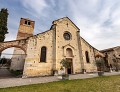
The Basilica of Sant'Anastasia is Verona's largest church and a major example of its Gothic architecture. Begun in the late thirteenth century, it impresses with aisles, red Veronese marble columns and paintings. Famous works include Pisanello's fresco Saint George and the Princess. Sculpted figures supporting entrance holy-water basins, known as the church's “hunchbacks”, are another curiosity. It is valuable for understanding medieval Veronese art. The spacious aisles hold works showing Verona's late-medieval painting role. Pisanello's detailed Saint George fresco is a principal artistic reason to include the church.
Further information: Chiese Vive Verona
Ponte Pietra and the Roman Theatre
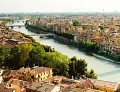
A short walk leads to Ponte Pietra, Verona's oldest bridge. Roman in origin, it preserves different periods; blown up in 1945, it was rebuilt using many original blocks recovered from the Adige. Opposite stands the Roman Theatre, built in the first century BC on San Pietro hill. The complex includes the Archaeological Museum in the former San Girolamo convent and still hosts performances and cultural events. The bridge symbolises post-war reconstruction: many riverbed blocks were identified and repositioned. Across the river, surviving theatre seating forms part of an archaeological route including museum finds.
Further information: Ponte Pietra – Visit Verona
Castel San Pietro: the view over Verona
From the theatre, reach the terrace of Castel San Pietro on scenic steps or by funicular. The view encompasses the Adige bend, Ponte Pietra, towers and bell towers, especially atmospheric in late afternoon. The current fortress dates to nineteenth-century Austrian rule, while the hill mattered in antiquity. Its terrace makes an excellent day's conclusion. Choose steps or funicular according to time and energy. The square gives one of the city's most complete views, distinct from visiting the fortress interiors.
Further information: Official Verona tourism
Traditional Veronese cuisine
Include a food stop. Specialities include Amarone risotto, boiled meats with pearà, a bread, stock and pepper sauce, and pastissada de caval, traditional horsemeat stew. Desserts include Verona's torta russa or Christmas pandoro. Valeggio tortellini, traditionally in broth or with butter and sage, also merit discovery. These dishes reflect festivals, farmland and historic-centre taverns.
Planning a visit from Corte Lavarini
From Corte Lavarini in Fumane, Verona is approximately 20–30 minutes by car, depending on traffic. Start with Piazza Bra, Arena and Castelvecchio, continue to Piazza delle Erbe and Piazza dei Signori, and finish at Sant'Anastasia, Ponte Pietra and Castel San Pietro. Explore mainly on foot, choosing indoor visits beforehand. Check restricted traffic zones and parking; VeronaCard may help with several admissions. Times and arrangements may change during events. One programme is Bra, Arena and Castelvecchio in the morning; Porta Borsari, Erbe and Signori around lunch; Sant'Anastasia, Ponte Pietra and Castel San Pietro in the afternoon. Select museums beforehand: entering every monument in one day is unrealistic.
Further information: Visit Verona – planning your visit
Verona: a day across different eras
From the Roman Arena to Scaliger fortifications, Gothic churches and Renaissance squares, Verona concentrates almost two thousand years in a compact centre. A city day during a Corte Lavarini stay pleasantly contrasts with Valpolicella's vineyards and peaceful hills.